
bespoke bathroom mirror
Measuring Tools and Equipment An Essential Guide Measuring tools and equipment are crucial in various fields, ranging from construction and engineering to healthcare and scientific research. They enable professionals to obtain accurate measurements, ensuring that their work meets required standards and specifications. This article will explore the significance of measuring tools, the types available, and their applications across different industries. The Importance of Accurate Measurements Accurate measurements are foundational to any successful project. Whether it's determining the dimensions of a room for construction, measuring blood pressure in a healthcare setting, or conducting experiments in a laboratory, the precision of measurements can significantly impact outcomes. Poorly measured data can lead to structural issues, ineffective treatments, or flawed research findings, ultimately affecting safety, efficacy, and the bottom line. Categories of Measuring Tools Measuring tools can be broadly categorized into several types, each designed to serve specific purposes 1. Length Measurement Tools This category includes tools like rulers, tape measures, calipers, and laser distance meters. These tools are essential in construction and manufacturing, where precise dimensions are critical. For example, in carpentry, the use of a tape measure ensures that materials fit together properly, while a caliper allows for precise measurement of small components. 2. Weight and Mass Measurement Tools Equipment such as scales and balances are used to determine weight and mass. In laboratories, analytical balances offer high precision for measuring smaller quantities of substances, essential for chemical reactions and formulations. 3. Volume Measurement Tools Graduated cylinders, measuring cups, and pipettes fall into this category . These tools are widely used in cooking, chemistry, and pharmaceuticals to ensure that liquids are measured accurately to prevent errors in recipes or experiments. measuring tools and equipment 4. Temperature Measurement Tools Thermometers, thermocouples, and infrared sensors are used to measure temperature in various settings. In the food industry, accurate temperature measurement is vital for ensuring food safety, while in scientific research, precise temperature control is crucial for reproducibility. 5. Pressure Measurement Tools Pressure gauges and manometers help measure pressure in gases and liquids. These tools are essential in industries like oil and gas, where monitoring pressure is critical for safety and operational efficiency. 6. Electricity and Voltage Measurement Tools Multimeters and oscilloscopes are used in electrical engineering to measure voltage, current, and resistance. These tools are vital for troubleshooting and developing electronic circuits. Applications Across Different Industries Measuring tools are utilized in almost every industry. In construction, accurate measurements guarantee that structures are built to specifications, reducing the risk of future modifications that can be costly and time-consuming. In healthcare, medical professionals rely on precise measurements for diagnostics and treatment, such as measuring medication dosages or monitoring vital signs. In scientific research, especially in fields like chemistry and biology, the accuracy of measurements is paramount. Experiments often hinge on accurately measured reagents and conditions; hence, researchers use specialized measuring instruments to achieve reliable results. In manufacturing, quality control measures depend on accurate measurements to ensure that products meet design specifications. This process can involve everything from measuring the thickness of components to the overall dimensions of a finished product, ensuring consistency and quality. Conclusion In summary, measuring tools and equipment are indispensable across multiple sectors, highlighting their critical role in promoting accuracy and safety. As technology advances, the development of new measuring tools continues to improve precision and ease of use, enhancing productivity and outcomes in various applications. Whether you are a builder, scientist, or healthcare professional, having the right measuring tools at your disposal is essential for achieving success in your endeavors. Emphasizing the importance of accuracy in measurements not only fosters quality but also builds trust in the work being performed, ultimately leading to better outcomes in every field.
about
bespoke bathroom mirror
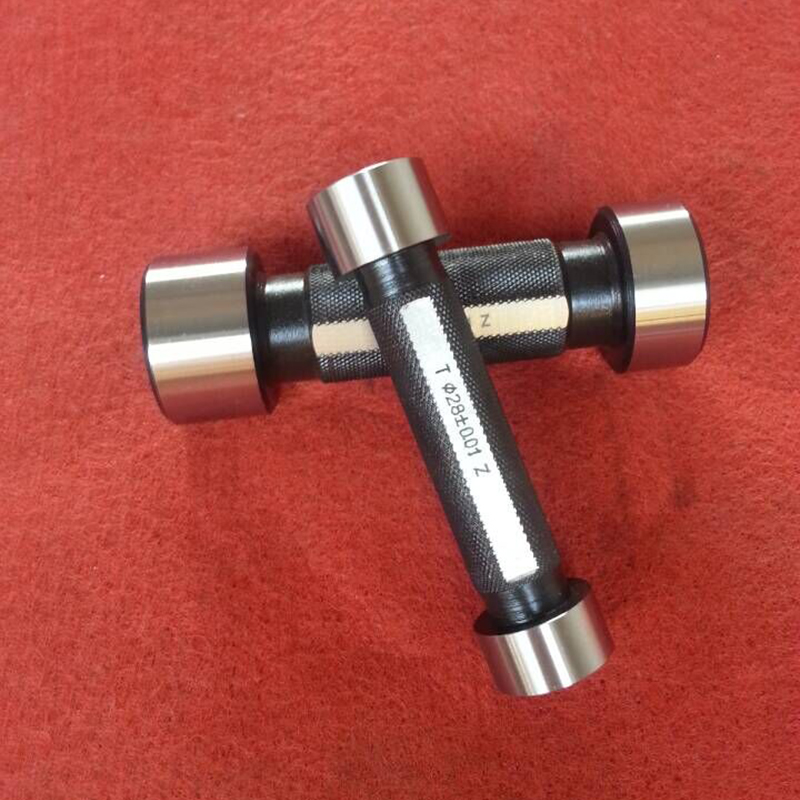
Precision Tools and Gages The Backbone of Manufacturing Accuracy In the ever-evolving landscape of manufacturing, precision tools and gages stand as critical components that ensure products meet stringent quality standards. The quest for perfection in dimension and measurement is paramount in industries ranging from aerospace to automotive, electronics to medical devices. This article delves into the significance of precision tools and gages, exploring their types, uses, and the impact they have on production efficiency and product reliability. Understanding Precision Tools Precision tools are highly specialized instruments designed to provide accurate measurements and enable meticulous machining operations. These tools are made from durable materials that maximize their resistance to wear and tear, ensuring longevity and consistent performance under rigorous conditions. Among the most common types of precision tools are calipers, micrometers, and dial indicators. Calipers are versatile measuring instruments that can gauge the internal, external, and depth dimensions of an object. Available in various forms, such as digital, vernier, and dial calipers, they are essential for achieving accurate measurements in tight tolerances. Micrometers, often called screw gauges, excel in measuring small dimensions with extraordinary precision, typically up to 0.001 millimeters or finer. The design includes a calibrated screw used to measure the thickness or diameter of objects, making them indispensable in industries where precision is critical. Dial indicators serve to measure small distances with added precision . They are particularly useful for setting up machinery, checking flatness, or verifying the accuracy of tools during the machining process. The Role of Gages In conjunction with precision tools, gages play a pivotal role in manufacturing processes. A gage is an instrument used to measure or compare dimensions to predefined standards. Like precision tools, gages ensure that parts conform to the specified measurements necessary for product functionality. precision tool and gage Go/no-go gages are a popular type of gage which provides a simple pass/fail criterion for whether a part meets tolerance dimensions. This binary approach streamlines quality control processes, allowing operators to efficiently assess multiple parts in a short amount of time. Thread gages specialize in ensuring the correctness of threaded dimensions, crucial in any assembly involving screws and bolts. Using these gages guarantees compatibility and fit, reducing the risk of mechanical failures due to improper threading. Importance in Manufacturing The integration of precision tools and gages into the manufacturing process is vital for several reasons. First and foremost, they enhance product quality. In today's competitive market, consumers expect high standards; any flaw in production can lead to significant financial repercussions and damage to a brand's reputation. Precision tools and gages help manufacturers consistently deliver products that meet these expectations. In addition, using precision tools and gages boosts operational efficiency. They minimize errors during the machining and assembly processes, reducing waste from rework or scrap. This streamlined approach not only saves time but also conserves resources, contributing to more sustainable production practices. Furthermore, regular calibration and maintenance of precision tools and gages are essential for sustained accuracy. Establishing a routine for checking and calibrating these instruments ensures they remain functional and reliable over time. This practice not only prolongs their lifespan but also fortifies the overall quality assurance processes within the manufacturing environment. Conclusion In conclusion, precision tools and gages are indispensable elements of modern manufacturing. Their contributions to improving product quality, enhancing operational efficiency, and ensuring consistency cannot be overstated. As technology advances, the development of even more sophisticated precision measurement instruments is likely to further elevate manufacturing standards. Companies dedicated to quality will continue to invest in precision tools and gages, recognizing their vital role in maintaining a competitive edge in a rapidly changing industry landscape. In a world where precision is paramount, the use of these tools and gages will undoubtedly remain a cornerstone of successful manufacturing practices.
-

High quality industrial productsagement

High quality industrial products
View Details -

Meet the diverse needs of customers

Meet the diverse needs of customers
View Details -

Strict quality control

Strict quality control
View Details -

Top raw materials

Top raw materials
View Details -

Trusted supplier

Trusted supplier
View Details
Our application

news and information
Welding Workbench vs. Standard Workbench_ Key Differences
When it comes to workshop equipment, the choice between a welding workbench and a standard workbench

Viertelzoll-Klappenventil mit 4 Zoll Durchmesser für industrielle Anwendungen
4 Zoll Messerabsperrventil Eine wichtige Komponente in der Industrie Das 4 Zoll Messerabsperrventil
Vanne de retenue à boule de 1% pour une performance optimale du système hydraulique
1 ball check valve .
 English